Reading the air above a hot road
A distant road can seem wet as light crosses the air near its surface. Thermometers, wind and viewing angle reveal different parts of that small weather system.
A place for slower thoughts
Clouds, rain and the instruments that make local weather legible.
Words by Lena Duarte
A distant road can seem wet as light crosses the air near its surface. Thermometers, wind and viewing angle reveal different parts of that small weather system.
A cloud's visible edge marks where vapour becomes droplets or ice, and where those particles can vanish again. A mountain-wave cloud makes the moving exchange easy to see.
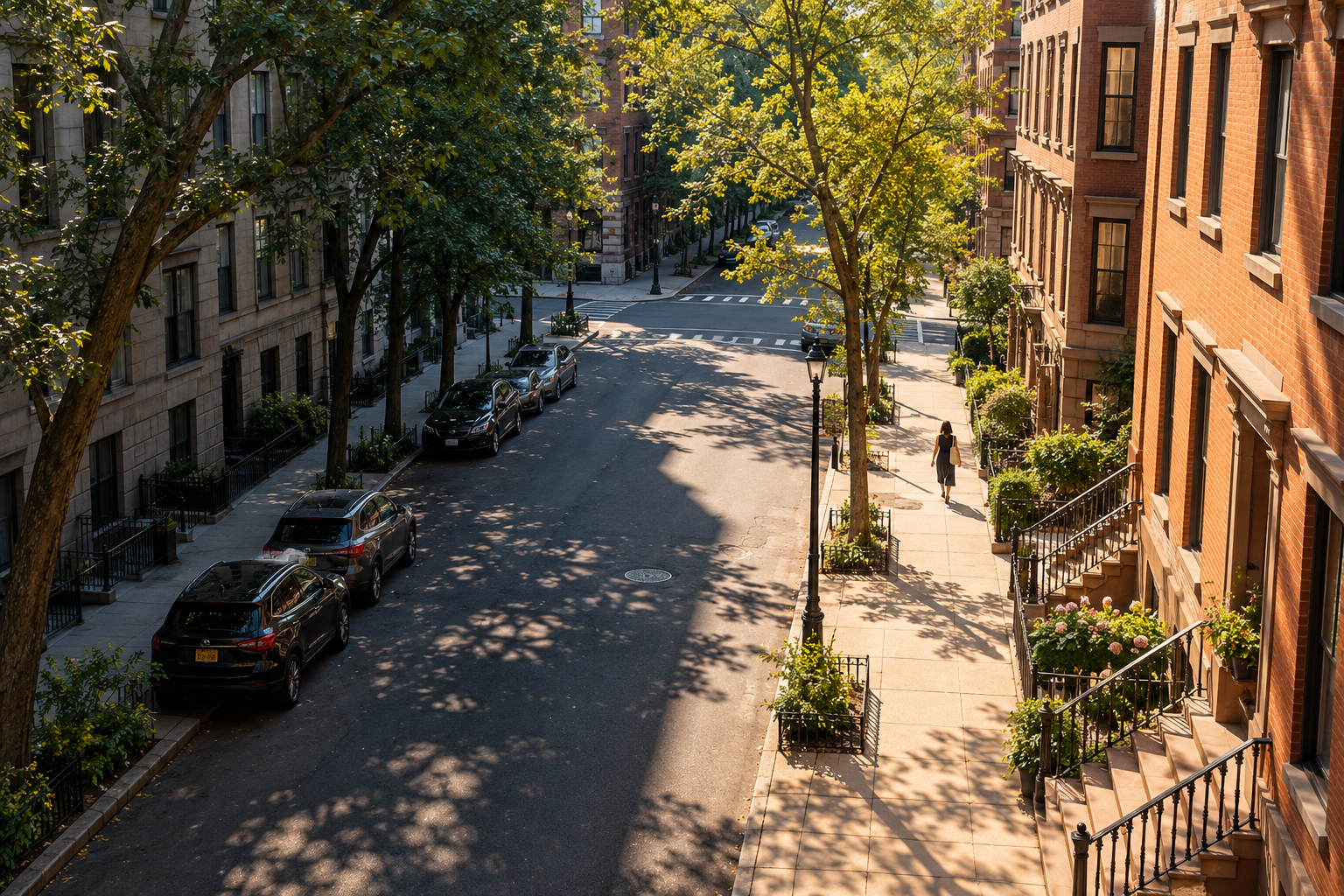
Across one block, shade, warm surfaces and turning wind can change what a walker feels. Street measurements show why air temperature alone misses much of that local weather.
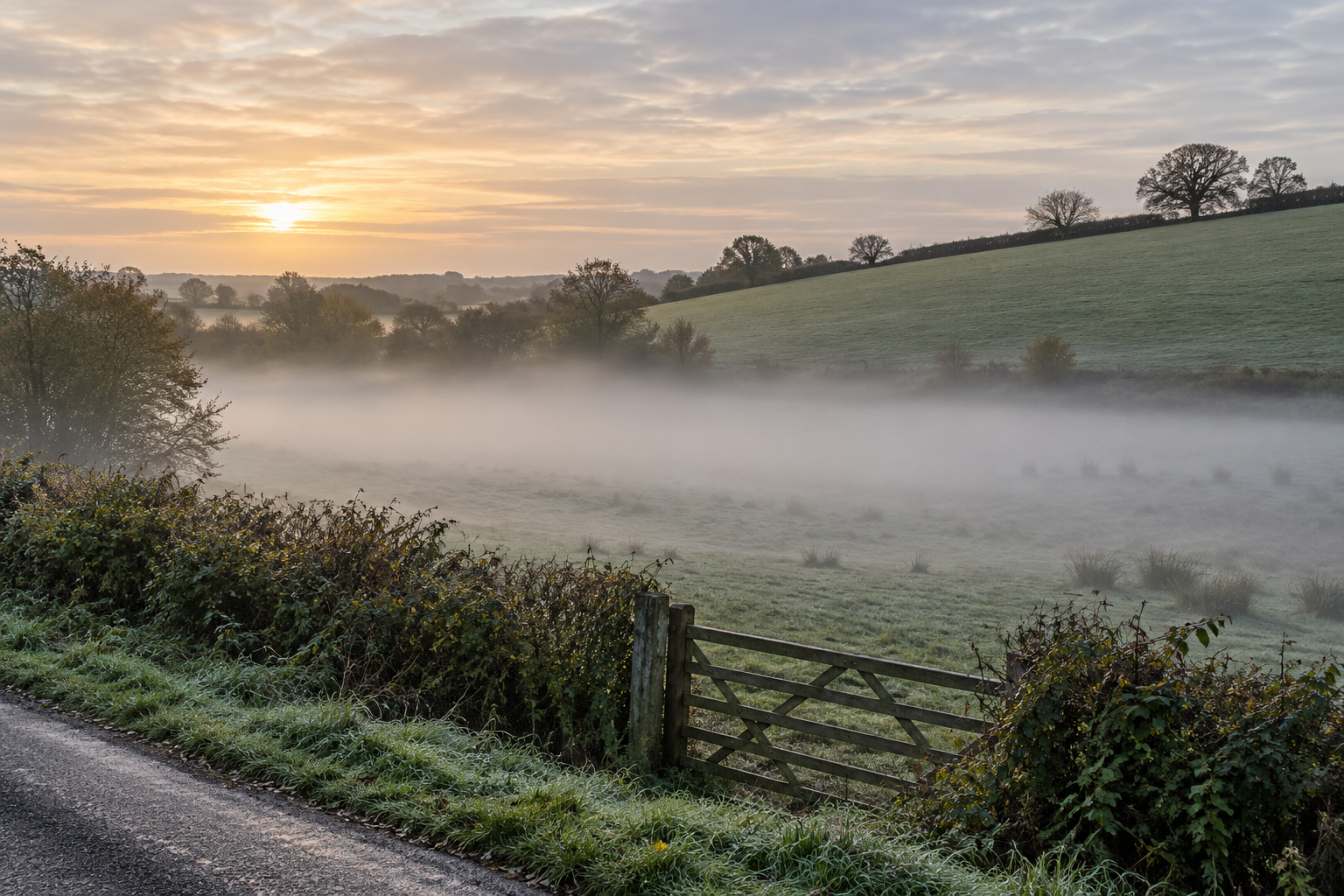
A hollow can cool and collect air until water vapour becomes suspended droplets. The fog's edge records a local balance of ground cooling, moisture, drainage, and wind.
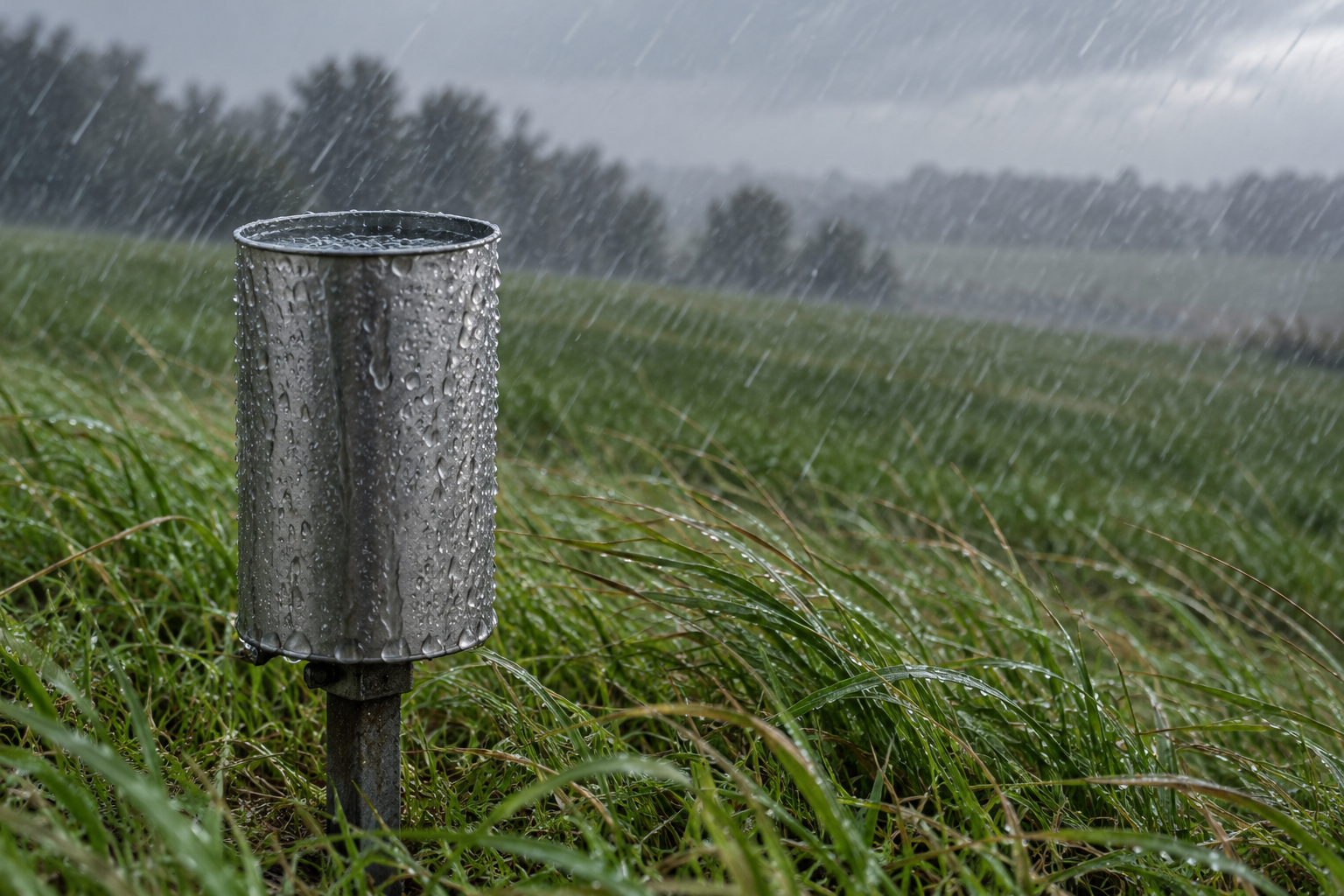
A rain gauge counts the water that reaches its opening. Wind bends the path of drops around the instrument, so shape, height and site exposure can change the recorded total even between neighboring gauges.